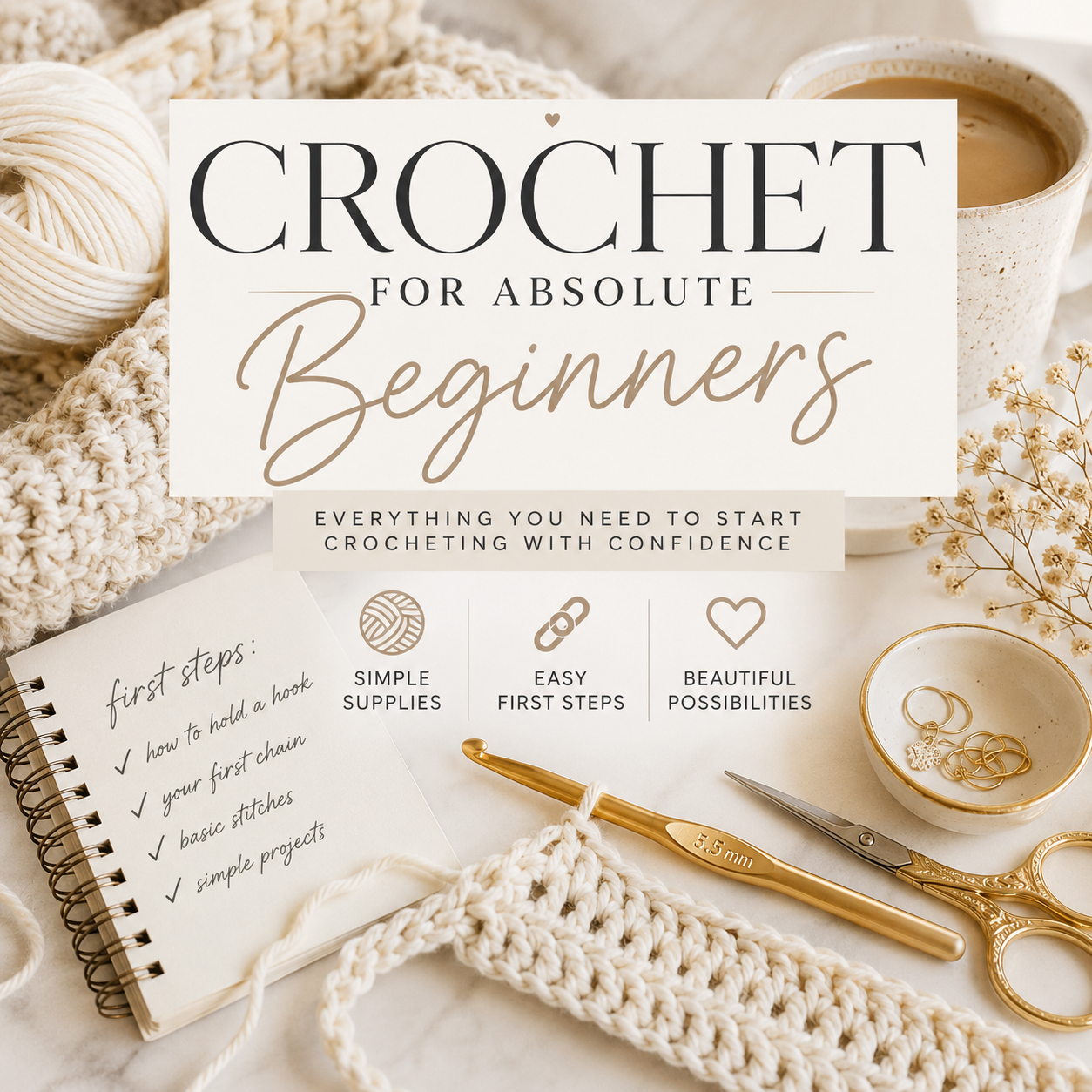
Everything You Need to Start Crocheting With Confidence
This post may contain affiliate links, which means we may earn a small commission at no extra cost to you. We only recommend products we genuinely love and would use ourselves.
There’s something almost magical about crochet.
A simple strand of yarn and a single hook can become a cozy blanket, a soft scarf, a handmade gift, or even a future heirloom. Yet for many beginners, crochet can also feel intimidating at first. You may have watched videos, stared at crochet abbreviations, or wondered if your hands were “doing it wrong.”
Here’s the truth:
You do not need to be naturally crafty to learn crochet.
You do not need perfect tension, expensive supplies, or years of experience.
You simply need a willingness to begin.
Whether you are 25 or 75, completely new to yarn crafts, or someone trying again after giving up years ago, this guide will walk you through the basics of crochet in a simple, encouraging way.
And most importantly: yes, you really can learn this.
Why Crochet Has Become So Popular Again
Crochet is no longer just a traditional hobby passed down from grandmothers. It has exploded in popularity again because people are craving slower, calmer, more meaningful activities.
Crochet allows you to:
- Create beautiful handmade items
- Reduce stress and anxiety
- Step away from screens
- Develop a creative skill
- Make personalized gifts
- Create wearable pieces and home decor
- Build confidence through small accomplishments
For many people, crochet becomes more than a hobby. It becomes a peaceful rhythm in daily life.
And unlike many hobbies, crochet is relatively inexpensive to start.
What You Actually Need to Start Crocheting
One of the biggest beginner mistakes is overbuying supplies before learning the basics.
You do not need an entire craft room to begin.
Here’s all you really need:
- A crochet hook
- Yarn
- Small scissors
- A yarn needle (optional at first)
That’s it.
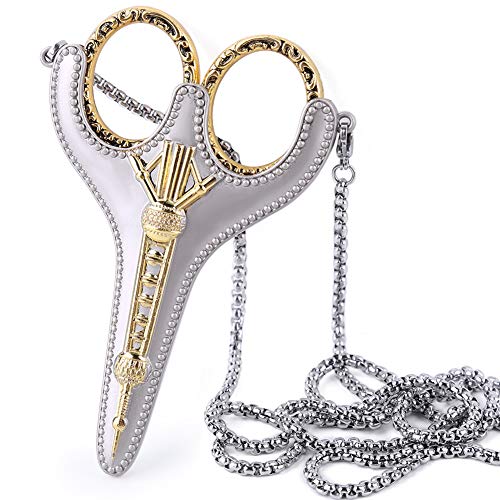
Beginner Favorites Janet Recommends


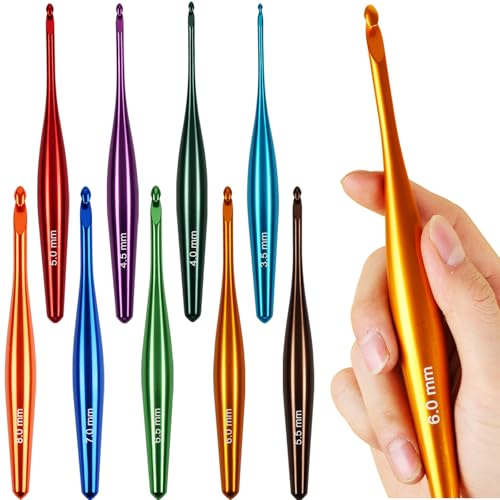
The Best Crochet Hook for Beginners
For most beginners, a medium-sized hook is easiest to learn with.
A great beginner size is:
- 5.0 mm (H hook)
- 5.5 mm (I hook)
These sizes are comfortable to hold and large enough to clearly see your stitches. Recommended Beginner Crochet Hooks
A smooth ergonomic hook can help reduce hand strain and make stitches easier to control while learning.
The Best Yarn for Beginners
Avoid very dark yarns, fuzzy yarns, or extremely thin yarns in the beginning.
Instead, choose:
- Medium weight yarn (#4 worsted weight)
- Light colors like cream, beige, soft gray, or dusty blue
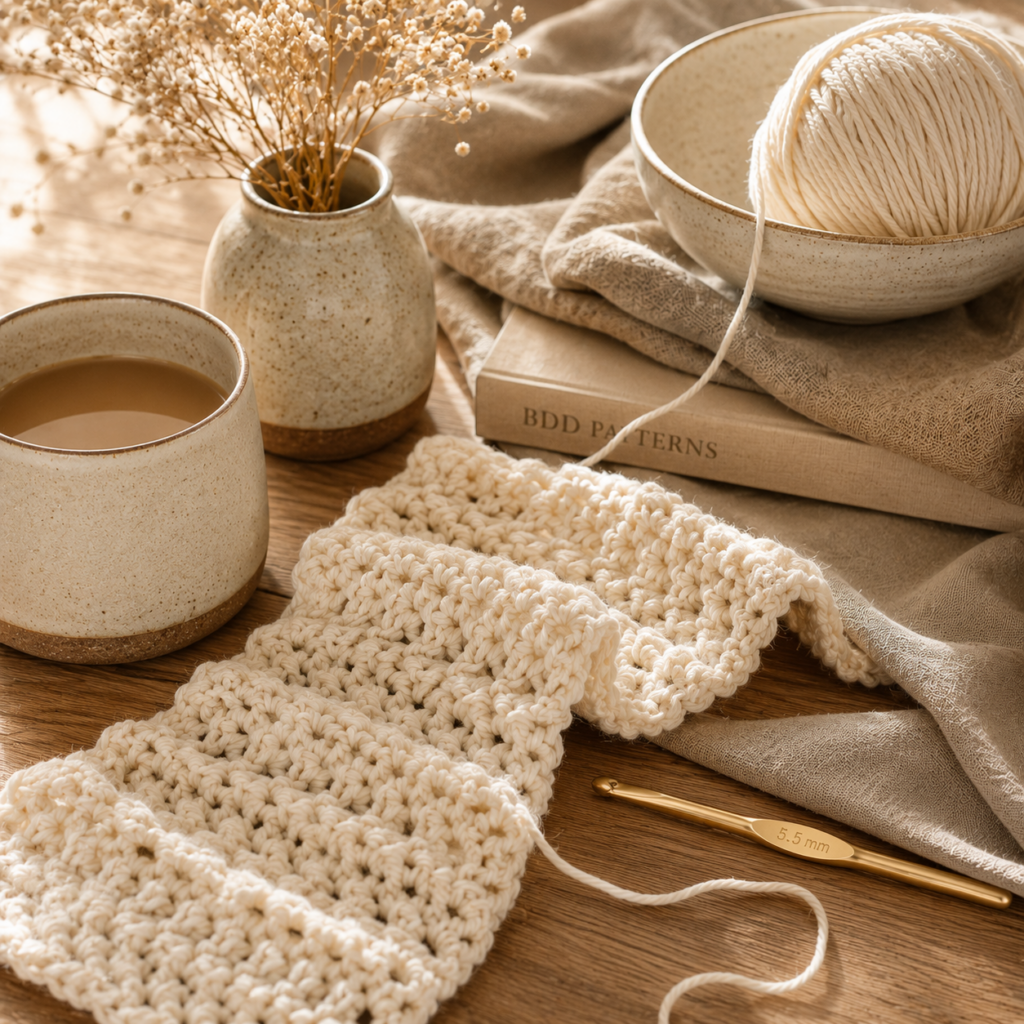
- Smooth yarn with visible stitch definition
Cotton blends and acrylic yarns are both excellent beginner options.
Easy-to-See Beginner Yarn Options
When learning crochet, lighter colored yarn with clear stitch definition makes a huge difference.


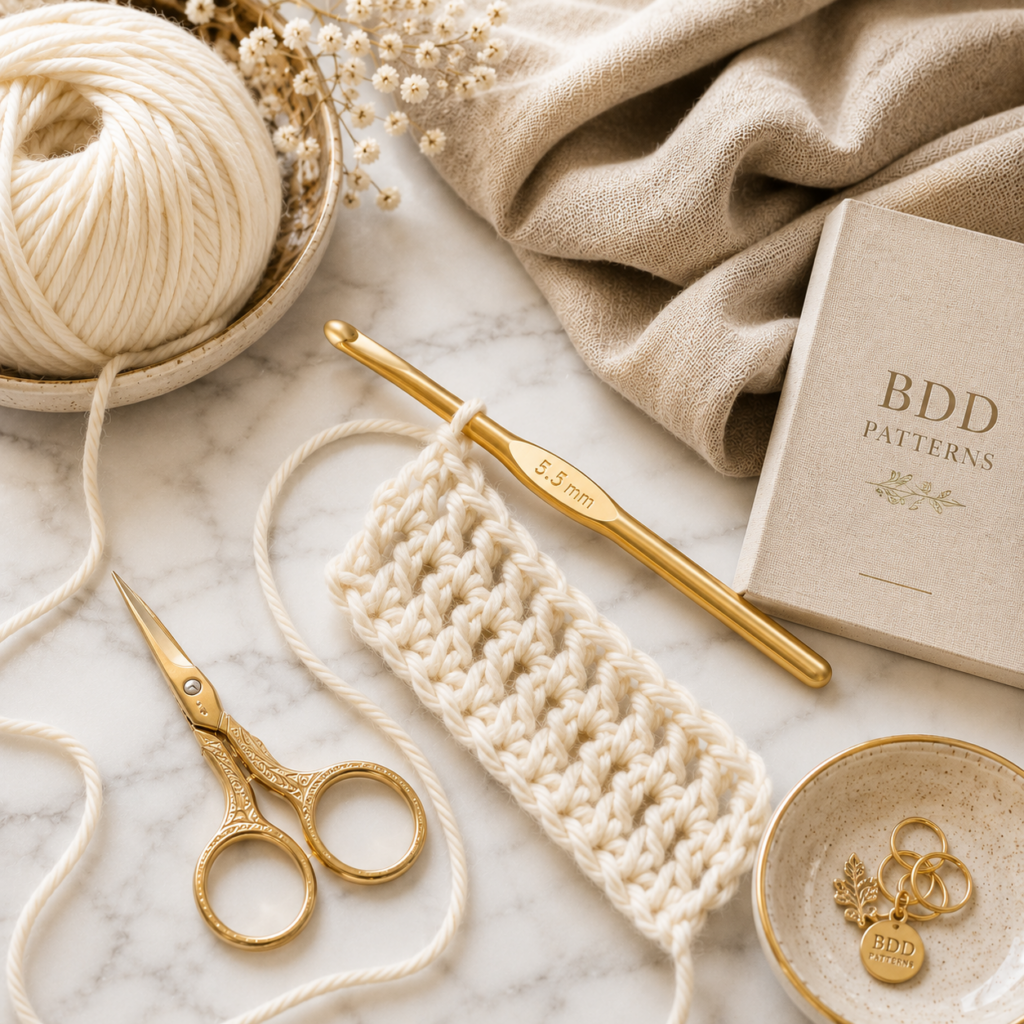
Understanding Crochet Hooks
One of the first things beginners notice is that crochet hooks come in many sizes and materials.
You’ll find:
- Aluminum hooks
- Wooden hooks
- Ergonomic hooks
- Plastic hooks
- Steel hooks
At first, this can feel overwhelming.
But here’s the good news:
The exact hook is far less important than simply becoming comfortable holding one.
Many beginners think there is only one “correct” way to hold a crochet hook. That simply is not true.
Some people hold their hook like a pencil. Others hold it like a knife.
Both are correct.
The goal is not perfection.
The goal is comfort and stitch consistency.
This is something we will cover more deeply in the upcoming YouTube beginner series, starting with:
- How to hold a crochet hook
- How to make your first chain
These two skills are the true foundation of crochet.
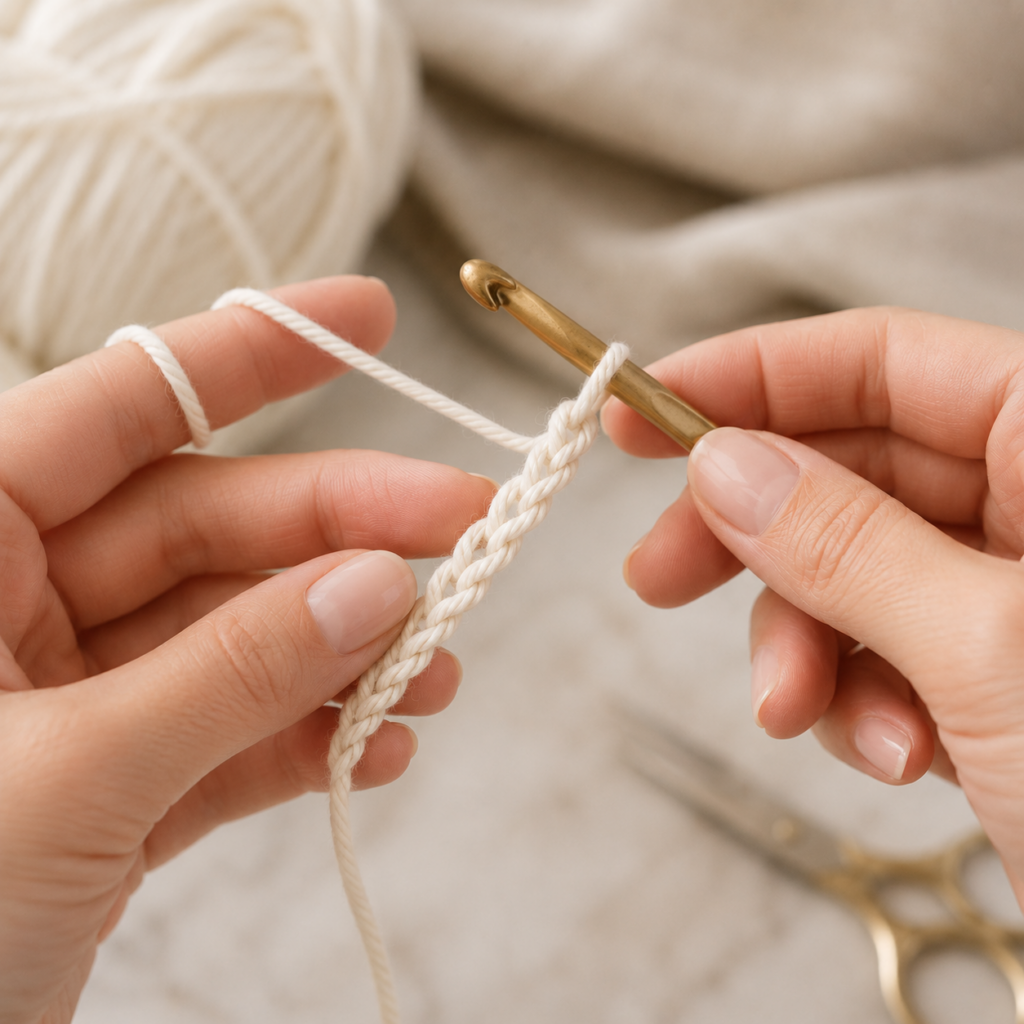
The First Thing You’ll Learn: The Chain Stitch
Every crocheter remembers their first chain.
The chain stitch is usually the first stitch beginners learn because it teaches:
- Hand positioning
- Yarn tension
- Hook control
- Stitch rhythm
At first, your chains may look:
- Too tight
- Too loose
- Uneven
- Twisted
This is completely normal.
Crochet is muscle memory.
Your hands are learning a brand-new movement pattern, and that takes repetition.
Most beginners improve dramatically after just a few practice sessions.
The Biggest Beginner Crochet Mistakes
Every beginner struggles in the beginning.
The difference between people who succeed and people who quit is usually very simple:
Successful beginners keep going through the awkward phase.
Here are some of the most common beginner mistakes.
1. Pulling the Yarn Too Tight
This is probably the number one beginner issue.
When stitches are too tight:
- The hook becomes hard to insert
- Hands become sore
- Projects curl
- Crochet becomes frustrating
Relax your hands.
Your stitches do not need to be perfect.
2. Counting Incorrectly
Many beginners accidentally add or lose stitches.
This is normal.
Even experienced crocheters occasionally miscount.
Learning to count stitches is a skill that develops over time.
3. Choosing Difficult Yarn
Beginners often buy fuzzy or decorative yarn because it looks beautiful.
Unfortunately, these yarns hide stitches and make learning much harder.
Simple yarn is your friend in the beginning.
4. Comparing Yourself to Experts
One of the fastest ways to quit crochet is to compare your first chain to someone else’s ten years of experience.
Every skilled crocheter was once a beginner.
Every single one.


Crochet Is About Progress, Not Perfection
One of the beautiful things about crochet is that improvement is visible.
Your first rows may wobble.
Your tension may change.
Your edges may lean sideways.
And then suddenly one day, your stitches begin to look consistent.
Your hands relax.
Your rhythm develops.
You stop thinking about every movement.
That transformation happens through practice, not perfection.
The Best Beginner Crochet Projects
Many beginners make the mistake of starting with projects that are too advanced.
Start simple.
Simple projects build confidence.
Dishcloths
Dishcloths are excellent beginner projects because:
- They are small
- They work up quickly
- Mistakes are not noticeable
- You practice basic stitches repeatedly
Scarves
Scarves are another fantastic starting point.
You mainly practice:
- Rows
- Stitch consistency
- Tension
Plus, scarves are forgiving.
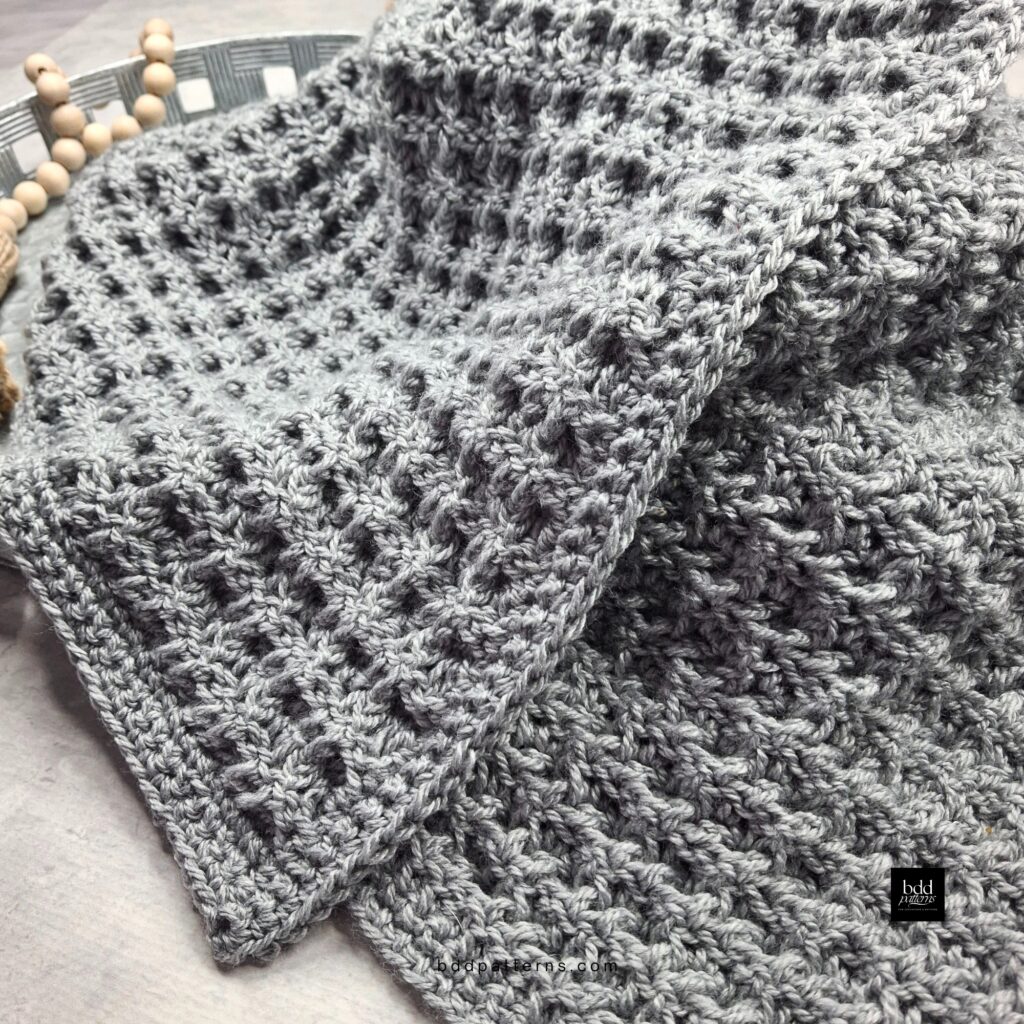
Blankets
Simple blankets are wonderful beginner projects because they teach repetition and rhythm.
Large blankets may seem intimidating, but many are simply the same stitches repeated over and over.
A blanket can actually become relaxing once you understand the basics.
Why Many Beginners Quit Too Early
Crochet has a learning curve.
The first few days can feel frustrating because your brain and hands are trying to coordinate new movements simultaneously.
This stage is temporary.
Most beginners quit right before things begin to click.
If you feel discouraged, remember:
- Your hands are learning
- Uneven stitches are normal
- Tension improves naturally
- Speed comes later
You are not failing.
You are learning.
Crochet Terminology Beginners Should Know
When you first look at a crochet pattern, it may feel like another language.
Here are a few common beginner terms:
- ch = chain
- sc = single crochet
- dc = double crochet
- sl st = slip stitch
- st = stitch
At first, abbreviations can look intimidating.
But after a little practice, reading patterns becomes much easier.
In the beginning, video tutorials are incredibly helpful because you can watch each movement step-by-step.
That’s why our beginner crochet YouTube series will start with the true foundations before moving into larger projects.
Building Confidence as a Beginner Crocheter
Confidence in crochet does not come from perfection.
It comes from finishing things.
Even small things.
Your first uneven dishcloth matters.
Your crooked scarf matters.
Your wobbly rows matter.
Because every finished project teaches you something.
Crochet is not about being perfect immediately.
It is about learning one small skill at a time.
And once those skills stack together, you suddenly realize:
You can actually make beautiful things.
A Gentle Reminder for Beginners
If you are learning crochet later in life, please do not believe the lie that it is “too late” to start.
Many people begin crochet:
- After retirement
- During difficult seasons
- While healing from stress
- While searching for a creative outlet
- Simply because they always wanted to try
Creativity does not have an age limit.
Your hands do not need to move perfectly.
You do not need natural talent.
You simply need patience with yourself.
And while crochet may seem small to some people, there is something deeply meaningful about learning to create with your hands again.
Crochet Can Become More Than a Hobby
For some people, crochet remains a relaxing pastime.
For others, it becomes:
- A creative outlet
- A side income
- A handmade gift business
- A meaningful daily routine
- A source of peace and accomplishment
Many crocheters discover that crochet slows the mind in the best possible way.
The repetitive motion can feel calming and grounding after a stressful day.
There is also something deeply satisfying about creating something tangible in a fast-moving digital world.
The Importance of Learning the Foundations Correctly
One reason beginners become frustrated is because they try advanced projects too early.
Before jumping into:
- Sweaters
- Wearables
- Complex stitches
- Fancy yarns
…it’s important to build strong foundations first.
That’s exactly why our upcoming beginner crochet series will begin with:
- How to hold a crochet hook
- How to make your first chain
- Understanding tension
- Your first stitches
- Simple beginner projects
These foundational skills make everything else easier later.
And once you master them, the world of crochet opens up dramatically.
Final Thoughts: You Are Capable of Learning Crochet
If you take nothing else from this article, remember this:
You do not need to crochet perfectly to be a crocheter.
You simply need to begin.
Every skilled crocheter once struggled with:
- Tight chains
- Uneven rows
- Confusing stitches
- Hand tension
- Frustration
The difference is that they kept practicing.
And you can too.
Crochet is learned one stitch at a time.
One row at a time.
One small project at a time.
So pick up the hook.
Practice the chain.
Allow yourself to be a beginner.
Because somewhere between that first uneven stitch and your future handmade blanket, you may discover a hobby that brings creativity, peace, confidence, and joy into your everyday life.
And honestly?
That first chain is where it all begins.